Explore the Region
Nin: history, salt and the open sea
A small historic centre held between bridges, a landscape shaped by salt, and a day that can move from early Croatian churches to the lagoon.
Quick answer
Quick answer: Nin: history, salt and the open sea
Give Nin a half or full day rather than rushing through it. Start with St Nicholas Church, continue to the old town and Church of the Holy Cross, look for the Roman remains, then choose either the official saltworks visitor experience or time by the lagoon and sea. Check seasonal opening times and organised-tour rules before leaving.
Begin before the bridge
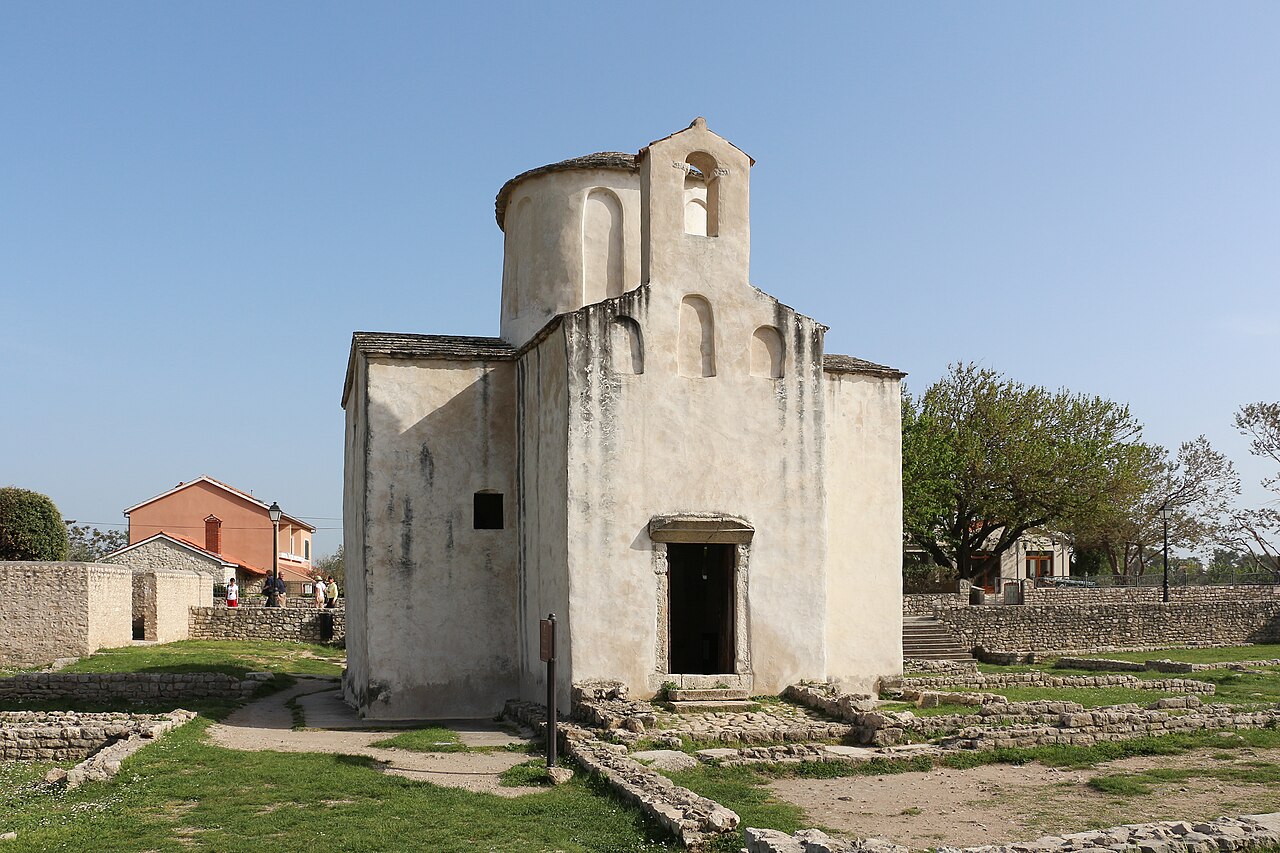
St Nicholas Church stands outside Nin’s old centre, on a low rise that makes the small building feel unexpectedly present in the landscape. The official Nin guide dates it to the 12th century and identifies it as one of the area’s symbols. It is a natural first stop because it separates the drive from the slower pace of the town ahead.
Treat the church and its surroundings with care. Access conditions and any interior opening are not guaranteed, and the atmosphere matters more than forcing a checklist visit.
Cross into a compact historic centre
Nin’s old town sits on a small islet connected by bridges. Its scale is part of the pleasure: the 9th-century pre-Romanesque Church of the Holy Cross, Roman remains, narrow streets and traces of early Croatian history can be explored without turning the visit into a march between landmarks.
The Church of the Holy Cross is often described as the world’s smallest cathedral, a popular name rather than a reason to hurry past its architecture. Stand back, notice the irregular geometry and let the building belong to its setting.
Nin rewards attention more than distance.
Follow the story of salt
Nin Saltworks presents a tradition shaped by Adriatic seawater, sun, wind and hand harvesting. Its House of Salt combines historic tools, photographs and an interactive interpretation of the landscape. The wider fields are a working environment and a sensitive habitat, not an open park without rules.
Check the saltworks’ official site for current tickets, tours and access. Some field walks are only permitted with organised guides, and hot-season visits call for water, sun protection and a hat.
Choose your second half of the day
A first visit does not need to combine every beach, sport and monument. After the old town and saltworks, choose according to the conditions: a quieter lagoon walk, time by the sea, or a water-sports session with a qualified local operator. Wind and shallow-water conditions change; ability, local advice and the day’s forecast matter more than a fixed itinerary.
Where to park for Nin
Put Ždrijaca is the useful all-round arrival point: public parking opposite the beach, close to Nin Saltworks and within an easy walk of the bridge into the historic centre.
Put Ždrijaca / Beach Parking
Use this location for the old town, saltworks or a day that continues by the sea. In the busiest summer periods, arriving earlier gives you a calmer start.
Directions in Google MapsParking operation and payment can be seasonal. Check the signs and Komunalac Nin’s current parking information when you arrive.
Nin through the seasons
Combine history, salt and an active day before the strongest heat. Verify museum and tour operations.
Enter the old centre early, then choose the beach or water according to crowds, wind and conditions.
Expect quieter streets and an expressive lagoon. Stronger wind needs experience and current local advice.
Come for open landscape, clear light and a short historic walk. Confirm every indoor visit before setting out.
Hand-harvested salt from the official salt shop is a useful, authentic ingredient for dinner at Lostura. Continue with our market-to-table guide.
Good to know
Questions, answered.
What are the main things to see in Nin, Croatia?
A considered first visit combines the small historic centre, the 9th-century Church of the Holy Cross, the remains of the Roman temple, St Nicholas Church outside the centre and the story of salt at Nin Saltworks.
Is Nin worth visiting outside summer?
Yes. Spring and autumn suit walking, cycling and the salt-lagoon landscape, while winter offers open views and a quiet historic walk. Museum, tour and restaurant schedules are more limited outside summer, so confirm them directly.
Can you walk freely through Nin Saltworks?
Access rules depend on the current visitor programme. The official saltworks information notes that some walks through the fields are only permitted with organised guides, so check tickets, tour times and conditions before visiting.
Is Nin suitable for a family day?
Its compact historic centre, salt story and nearby shallow-water landscapes can work well for families. Summer heat, wind, sun exposure and the current suitability of beach or sports conditions still need sensible local checks.
Where should I park when visiting Nin?
Put Ždrijaca is a practical public parking area opposite the beach and close to Nin Saltworks and the bridge into the historic centre. It is officially listed as Zone B; check the current signs, season and payment rules when you arrive.
Sources & editorial notes
Details were checked against the official sources below on 14 August 2026. Opening times, tours, reservations and seasonal conditions can change; check directly before setting out.
- Nin Riviera — A Rich Treasury 2026 Official Nin Tourist Board destination guide.
- Nin Saltworks — Museum and House of Salt Official visitor information and access notes.
- Nin Saltworks — Story of Salt Official salt-production and visitor overview.
- Official Nin parking zones Current public parking zones and notices from Komunalac Nin.